City busses usually go 30km/h, up to 50 on longer stretches. With a normal biker topping around 30, 35 if they’re fit on a good bike, it doesn’t provide a worse fatality rate as far as I see. When packed you’re also cushioned by other people and the bus being heavy makes it not crash violently in a fender bender or anything but a serious concrete building.
But that aside, I dug up a research article you can check in my other comment. Turns out the two serious accidents causing the ban was politicised, so maybe newer technology can make up for the lacking protection naturally offered in a seated and belted position.
That sounds worse. In Denmark with maybe only few exceptions I think all highway travel is done with regional busses with limited or no standing space.


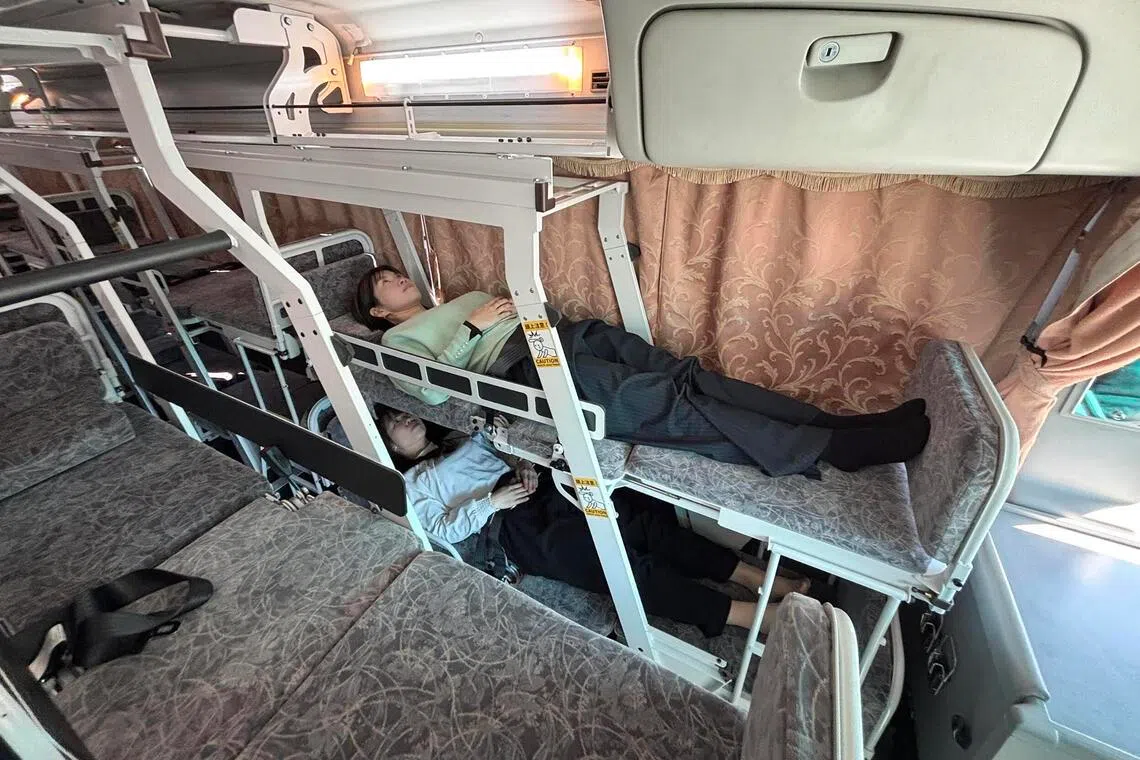
City busses usually go 30km/h, up to 50 on longer stretches. With a normal biker topping around 30, 35 if they’re fit on a good bike, it doesn’t provide a worse fatality rate as far as I see. When packed you’re also cushioned by other people and the bus being heavy makes it not crash violently in a fender bender or anything but a serious concrete building.
But that aside, I dug up a research article you can check in my other comment. Turns out the two serious accidents causing the ban was politicised, so maybe newer technology can make up for the lacking protection naturally offered in a seated and belted position.
The ones in Seattle will take the freeway depending on the route. So that’s 100kph.
That sounds worse. In Denmark with maybe only few exceptions I think all highway travel is done with regional busses with limited or no standing space.
100 km/h with city buses happens every 10 minutes in Helsinki, Finland, as well. On several lines.