
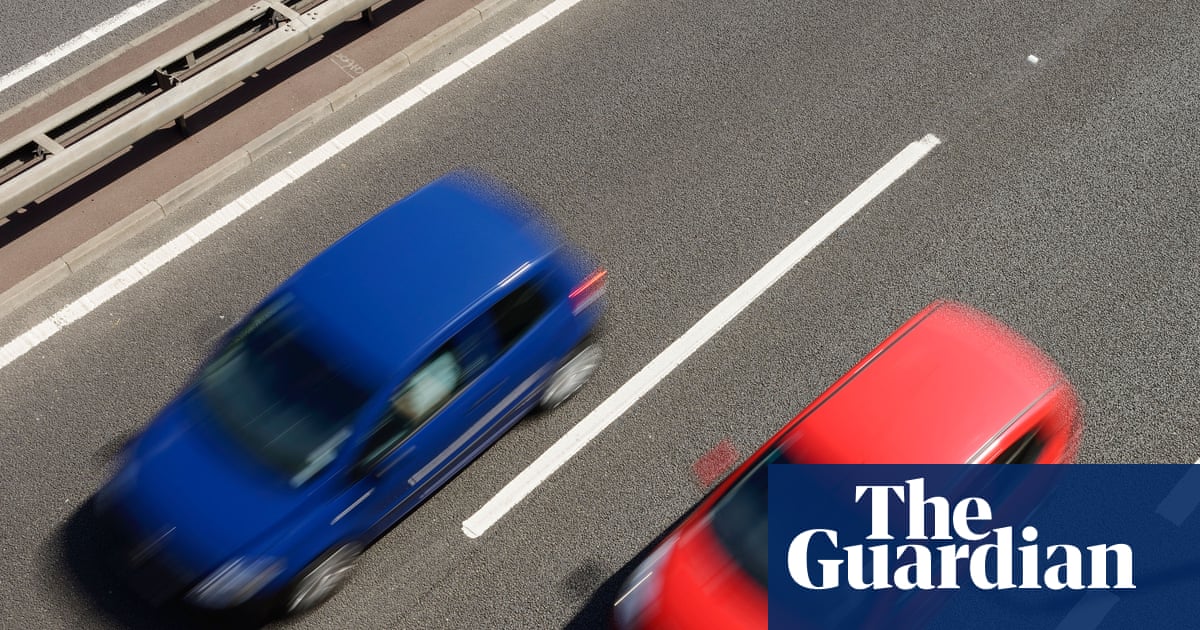
Those who use the bike know this very well: in the city, speeding motorists overtaking other cars, only get one thing: they arrive first to the next red.
With a simple model, the author estimated the probability that one car that overtakes another, will then be reached again at a later red light. Then he estimated the probability that the same thing will happen when there are multiple successive traffic lights, as usual in the cities.
The result is that as fast as an aggressive driver goes, the presence of multiple traffic lights makes it virtually certain that a slower driver will catch up
So, if someone aggressively overcomes you, when you reach him at the next traffic light, you can tell him that it is mathematically proven that he/she is an idiot.
In addition, this study has implications for the 30 km/h city, demonstrating how in urban areas the traffic lights determine the travel times, not the maximum speed reachable between one traffic light and the next.
The original scientific article is here: https://royalsocietypublishing.org/rsos/article/13/4/260310/481212/The-Voorhees-law-of-traffic-a-stochastic-model
crossposted from: https://poliversity.it/users/rivoluzioneurbanamobilita/statuses/116419204210303856
This matches my intuition. I extremely rarely do any city driving (I don’t even own a car anymore) but like… You’re not going to go that much faster. You’re probably not driving very far. The total amount of time can’t be that big.
even on the highway I kinda looked at it like this. If I travel 1mph I can get there twice as fast at 2mph and on and on. so ou get to 64 and its like. ok so the next step is 128? no thank you. I mean its going to be depending on the measurments used but your still going to max out somewhere around there just due to how it works. Add in you are in energy efficient loss territory and its a no brainer.